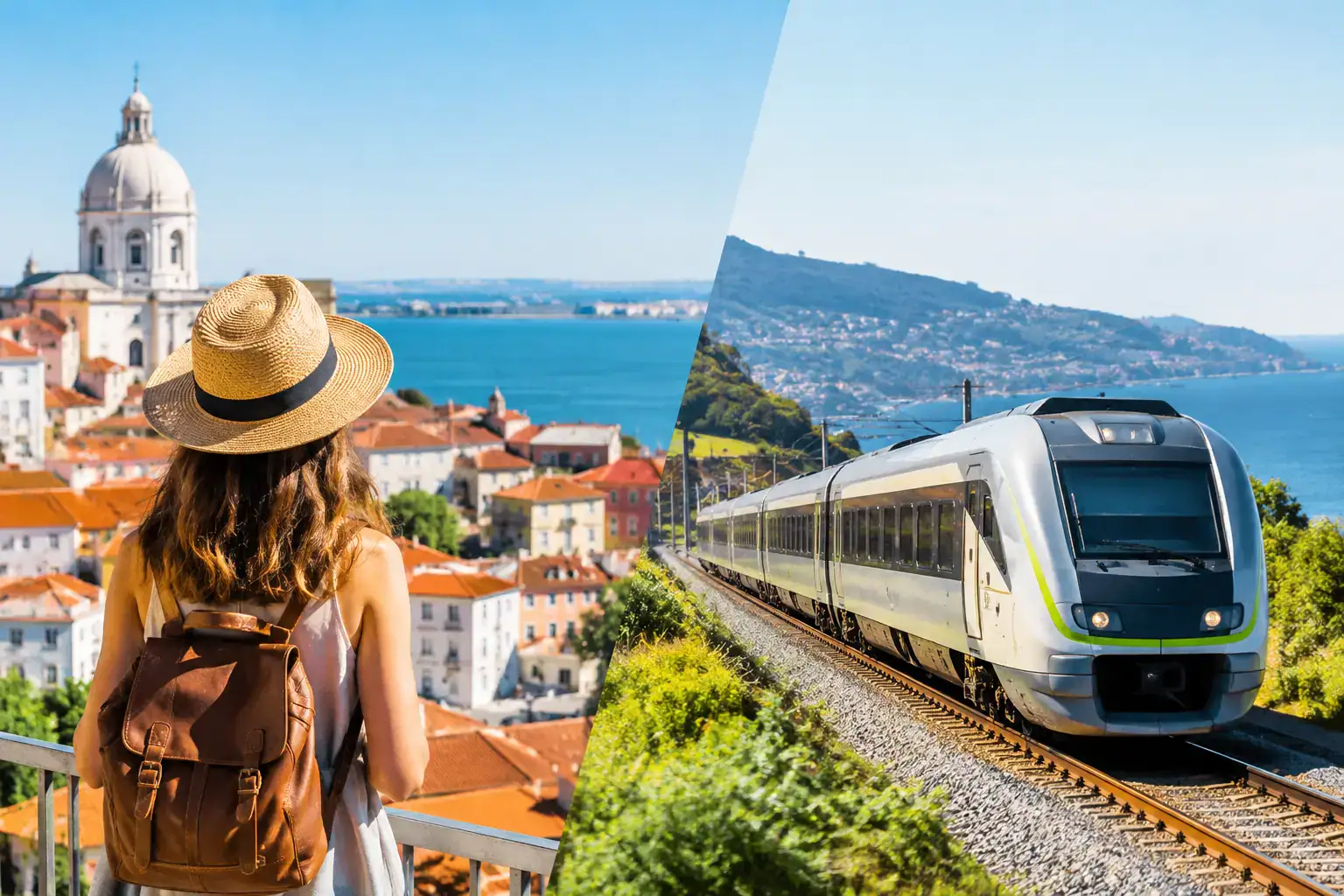
A morning in Lisbon can begin with an espresso in Chiado, a ride up a steep cobbled street, and a story from a local guide that makes the city’s tiled facades mean more. By lunchtime, you could be on a train heading north toward Porto. That is why the choice between Portugal city tours versus rail is rarely an either-or decision. The best option depends on how you want to experience each destination, how much time you have, and whether you prefer someone else to manage the details.
For many American travelers, Portugal is wonderfully manageable in size but surprisingly varied in character. Lisbon and Porto reward unhurried discovery on foot or with a knowledgeable guide. The Douro Valley, Alentejo, and smaller historic towns often require transportation beyond a train station. A thoughtfully planned vacation can combine both approaches, giving you the freedom of rail travel between major cities and the access of guided touring once you arrive.
Portugal City Tours Versus Rail: The Real Difference
Rail travel is about moving efficiently between Portugal’s larger destinations. City tours are about understanding the place you have reached. A train can bring you from Lisbon to Porto in a few hours, but it will not point out the neighborhood bakery known for pastéis de nata, explain the symbols on a Manueline monument, or arrange a tasting with a family-run producer in a nearby wine region.
Guided city tours also solve a practical issue: Portugal’s most memorable quarters were not designed around modern transportation. Alfama in Lisbon, Ribeira in Porto, and the university streets of Coimbra are best approached with local knowledge and a pace that allows for hills, steps, and occasional surprises. A private guide can tailor the route to your interests, whether that means architecture, Jewish heritage, Portuguese food, contemporary art, or simply the highlights without unnecessary backtracking.
Rail, by contrast, offers a relaxed and scenic way to connect the country’s main urban centers without renting a car. It is especially appealing for couples and independent-minded travelers who enjoy settling into a comfortable seat, watching the landscape change, and arriving in a city center without navigating unfamiliar roads. On the Lisbon-Porto corridor, the train is often the most sensible choice.
The trade-off is flexibility. Train schedules set the rhythm of the day, and stations do not always sit beside your hotel or the sights you most want to see. Luggage, transfers, reserved seating, and missed connections may sound minor when planned separately, but they can create friction on a vacation meant to feel easy.
When Guided City Tours Are the Better Choice
Choose city tours when the destination itself is the focus. Lisbon, Porto, Évora, Coimbra, Braga, and Guimarães all have stories that become more vivid with a local expert beside you. This is particularly true on a first visit, when a half-day or full-day guided experience can provide context that changes how you spend the rest of your stay.
A city tour is also a strong choice when time is limited. Travelers on a seven- to ten-night Portugal itinerary often want to see major landmarks while leaving room for unplanned meals, shopping, and evenings at leisure. A well-designed tour handles the route, timing, entrance arrangements, and local logistics, allowing you to concentrate on the experience rather than the map.
Private touring offers additional value for families, multigenerational groups, and travelers with specific interests. Perhaps one person wants to visit historic churches while another is more interested in food markets and viewpoints. A private guide can adjust the day rather than asking everyone to follow a fixed group schedule. For heritage trips, a specialist can also help bring family history and regional connections into the itinerary.
City tours are not only for large cities. They are often the most effective way to visit places beyond the rail network, including Sintra’s palaces, the wineries and villages of the Douro Valley, the cork landscapes of Alentejo, or the dramatic coast around Lagos. These destinations can be reached independently, but a planned day tour or private driver-guide removes the need to coordinate multiple local buses, taxis, and opening times.
When Rail Travel Makes the Most Sense
Rail is an excellent fit for travelers who want a self-guided vacation with a clear route and comfortable pacing. The classic Lisbon, Coimbra, and Porto itinerary works especially well by train. You can spend several nights in each city, walk to restaurants and attractions from centrally located hotels, and avoid the costs and parking concerns associated with a rental car.
The journey itself can be part of the pleasure. Portugal’s trains connect major cities through changing scenery, from the broad Tagus River landscape near Lisbon to the greener countryside farther north. For travelers used to long driving days in the United States, the ability to read, rest, or simply look out the window is a genuine vacation benefit.
Rail can also be a cost-conscious choice, particularly when your itinerary is centered on Lisbon and Porto. Still, the lowest ticket price is not the full picture. Consider station-to-hotel transfers, baggage handling, reserved seats, and the cost of separate day trips. A package that includes rail tickets, hotels, transfers, and selected tours can offer better value than booking each component in isolation, while giving you support if plans change.
One point deserves special attention: rail is not the ideal answer for every region. The Algarve has rail service, but many beaches, cliffside villages, and inland experiences are easier with a car or organized touring. The Douro Valley is beautiful by train along certain sections, but vineyard visits and rural accommodations often require a transfer. In the Alentejo, rail can bring you to Évora, yet a vehicle is far more useful for reaching smaller towns, wineries, and megalithic sites.
The Best Portugal Itineraries Usually Combine Both
Rather than choosing Portugal city tours versus rail as competing styles, consider assigning each one the job it does best. Use rail to move between Lisbon and Porto. Use guided touring to understand each city and to reach nearby places that deserve more than a quick glance from a bus window.
For example, a first-time traveler might begin with four nights in Lisbon, including a guided introduction to historic neighborhoods and a separate day in Sintra. From there, a train to Porto keeps the journey easy. In Porto, a city tour can cover the riverside district, cathedral area, and port wine traditions, followed by a full-day excursion into the Douro Valley. This approach avoids a rushed road trip while still offering access to experiences that trains cannot deliver on their own.
For repeat visitors, the balance may shift. You might use rail for a relaxed city-to-city journey, then add private touring in a region you have not yet explored. Or you may choose a self-drive segment after Porto to explore the Minho, Douro, or Alentejo at your own pace. The right design is not about following a standard route. It is about matching transportation to the places you want to remember.
Planning Details That Make a Noticeable Difference
A successful rail-based itinerary needs enough time in each destination. One-night stops can turn a pleasant train journey into a packing exercise, especially when hotel check-in, transfers, and sightseeing are factored in. Two or three nights in a city usually creates a more rewarding rhythm.
Hotel location matters just as much. A charming property on the edge of town may be appealing on paper, but a centrally located hotel can save considerable time when you are arriving by train and exploring on foot. This is where destination knowledge matters: the best neighborhood depends on your preferred pace, mobility, dining interests, and planned day tours.
It is also wise to decide how much independence you truly want. Some travelers enjoy managing every train time and restaurant reservation. Others want the satisfaction of independent travel without the administrative work behind it. Portugal Online can arrange a tailored combination of rail journeys, centrally located hotels, private or small-group city tours, transfers, and regional day trips, all within one coordinated itinerary.
Finally, remember that the Azores follow a different transportation logic. Inter-island flights, local transfers, and guided excursions are generally more relevant than rail. If you are combining mainland Portugal with the islands, planning the connections as one vacation is particularly valuable.
The most rewarding Portugal trip is not the one with the most transportation modes. It is the one that leaves you time to linger over lunch, follow a guide down a hidden lane, and arrive at your next hotel knowing the important details have already been handled.