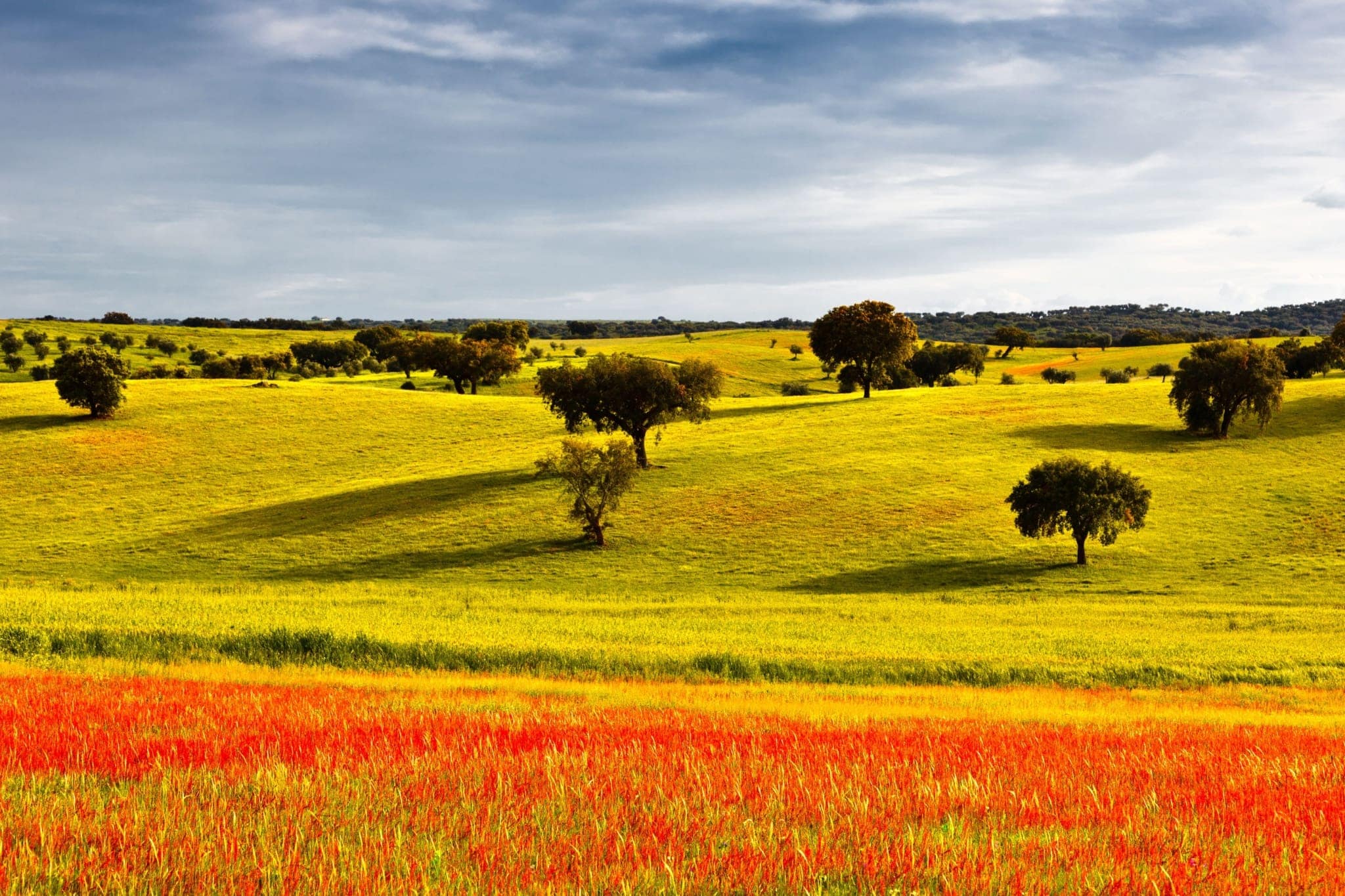
The Alentejo is where Portugal seems to lower its voice. Cork oak forests stretch beyond quiet roads, medieval towns rise above broad plains, vineyards surround whitewashed villages, and lunch is treated as an occasion rather than a stop between attractions.
This Alentejo travel guide is for travelers who want more than a quick day trip from Lisbon. With enough time, the region reveals Roman history in Évora, hilltop villages such as Monsaraz and Marvão, wine country around Reguengos and Estremoz, the vast Alqueva landscape, and a wild Atlantic coast that feels very different from the Algarve.
For many US travelers, the Alentejo is the Portugal they hoped to find but did not expect to encounter so close to the capital. It is less crowded than Lisbon, Porto or the Algarve, yet exceptionally rich in history, food, wine and scenery. The trade-off is that distances matter, public transportation is limited once you leave the principal towns, and some of the best experiences require a rental car, private driver or thoughtfully planned route.
If the region is new to you, Portugal Online’s complete Alentejo travel guide provides an overview of Évora, Monsaraz, Marvão, Elvas, wine country, the Alqueva area and the coast. Travelers who want the transportation and accommodations coordinated in advance can also compare Portugal self-drive vacations and private Portugal tours.
Why the Alentejo Deserves More Than a Day Trip
A day trip to Évora provides a good introduction to the Alentejo, but it cannot fully convey the region’s scale or rhythm. The Alentejo occupies a large portion of mainland Portugal, stretching east toward Spain and west to the Atlantic coast. Its landscapes change considerably along the way: vineyards and olive groves around Évora, granite hills and castles farther north, the waters of Alqueva near Monsaraz, broad agricultural plains to the south, and dramatic beaches along the southwest coast.
The region is one of Portugal’s strongest choices for travelers who prefer meaningful days to a packed sightseeing checklist. You might tour a family-run winery in the morning, explore a cobbled hilltop village in the afternoon, and then spend an unhurried evening over regional food and wine.
Historic monuments are important here, but the Alentejo experience is not confined to museums. Cork forests, farms, vineyards, village squares, local restaurants and the slower pace of daily life are part of the destination.
For most travelers, three nights is the minimum I would recommend for an Alentejo itinerary. Five to seven nights allows for a much richer journey combining Évora, wine country, hilltop villages and perhaps the coast without turning every morning into another hotel checkout.
Where to Stay in the Alentejo
The best base depends on what you want from the trip. Évora is the most practical first choice, Monsaraz and Alqueva offer a quieter eastern experience, the area around Estremoz and Borba works well for wine and historic towns, while Marvão provides a completely different northern landscape. Travelers focused on beaches should treat the Alentejo coast as its own portion of the itinerary rather than trying to explore it from Évora.
Begin in Évora
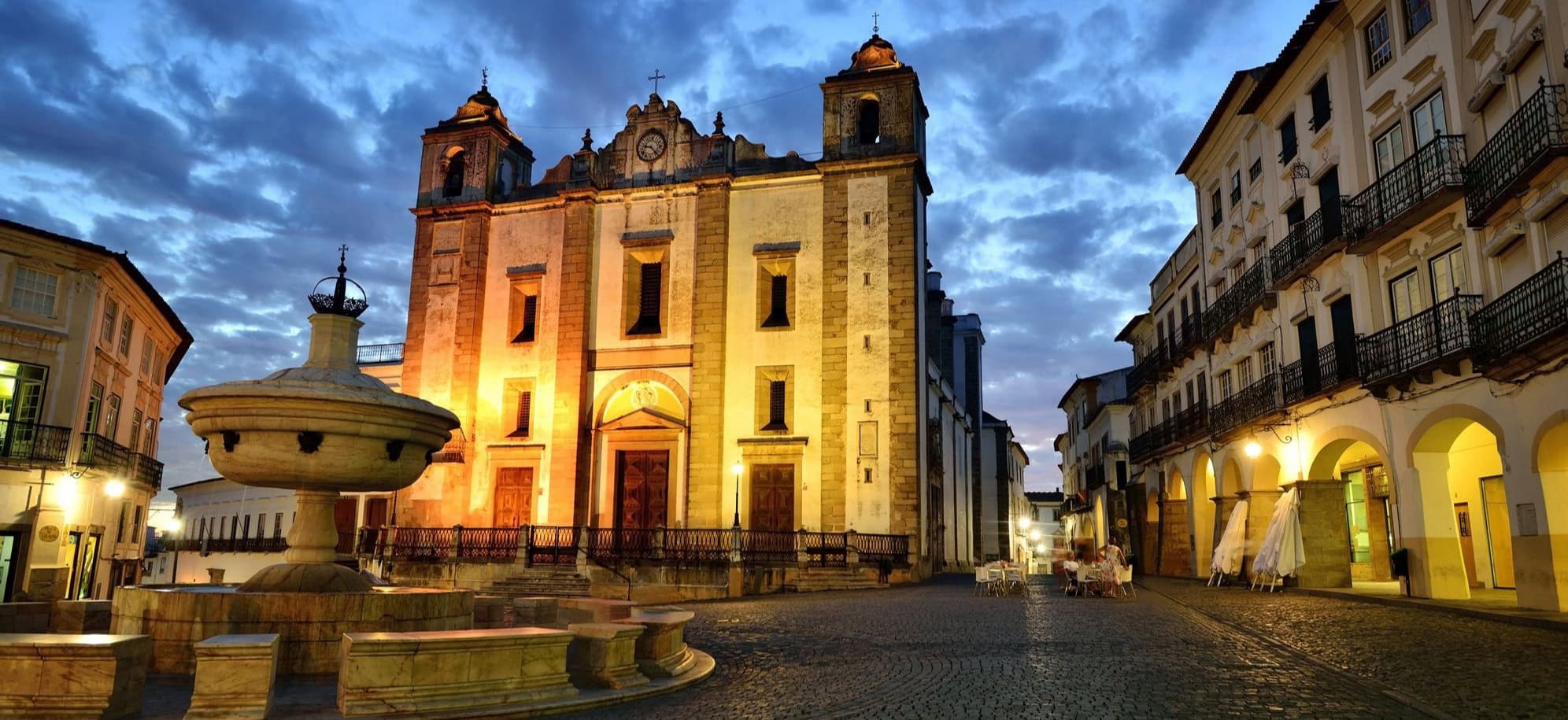
Évora is the natural gateway to the region and the best base for many first-time visitors. Its UNESCO-listed historic center brings Roman, medieval and later Portuguese history together within a compact, walkable city.
The Roman Temple is the best-known landmark, but Évora deserves more than a quick photograph. Visit the cathedral, Church of São Francisco and Chapel of Bones, explore Praça do Giraldo and the university quarter, and leave time simply to walk through the whitewashed streets inside the old walls.
Stay at least two nights when possible. This gives you a full day for the historic center and enough time for a relaxed arrival, regional meal or excursion into the surrounding countryside. Évora is also a practical place from which to visit wineries, megalithic monuments and nearby towns.
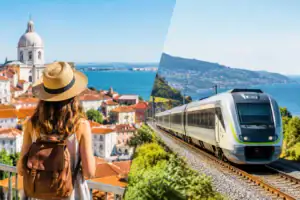
Travelers who prefer not to drive can even incorporate Évora into a rail-based vacation. Portugal Online’s Lisbon, Cascais and Évora by Train combines the capital, Atlantic coast and an overnight Alentejo stay without requiring a rental car.
Add Monsaraz and Lake Alqueva
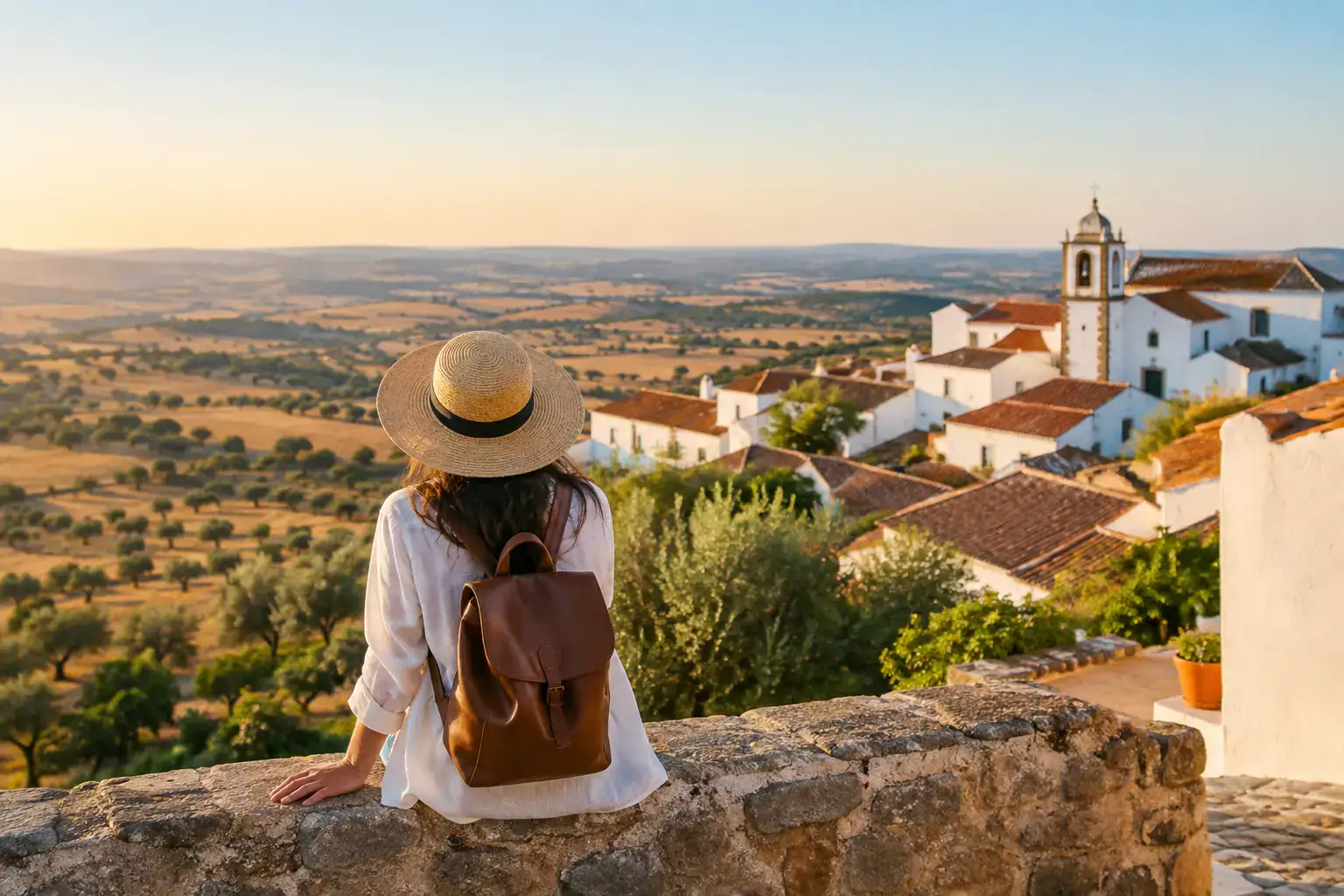
East of Évora, Monsaraz occupies a remarkable hilltop position overlooking the Alqueva landscape near the Spanish border. Its castle, stone streets, whitewashed houses and expansive views make it one of the most memorable stops in the Alentejo.
Arrive with enough time to walk the village slowly rather than treating Monsaraz as another photo stop. Late afternoon and early evening can be particularly atmospheric as the light changes across the plains and reservoir.
The wider Alqueva area is also known for its dark night skies. Travelers interested in astronomy, photography or simply a quiet rural overnight may want to stay nearby rather than drive directly back to Évora.
Monsaraz combines particularly well with the vineyards around Reguengos de Monsaraz, allowing wine country, village scenery and Alqueva to fit naturally into the same portion of an itinerary.
Spend Time in Alentejo Wine Country
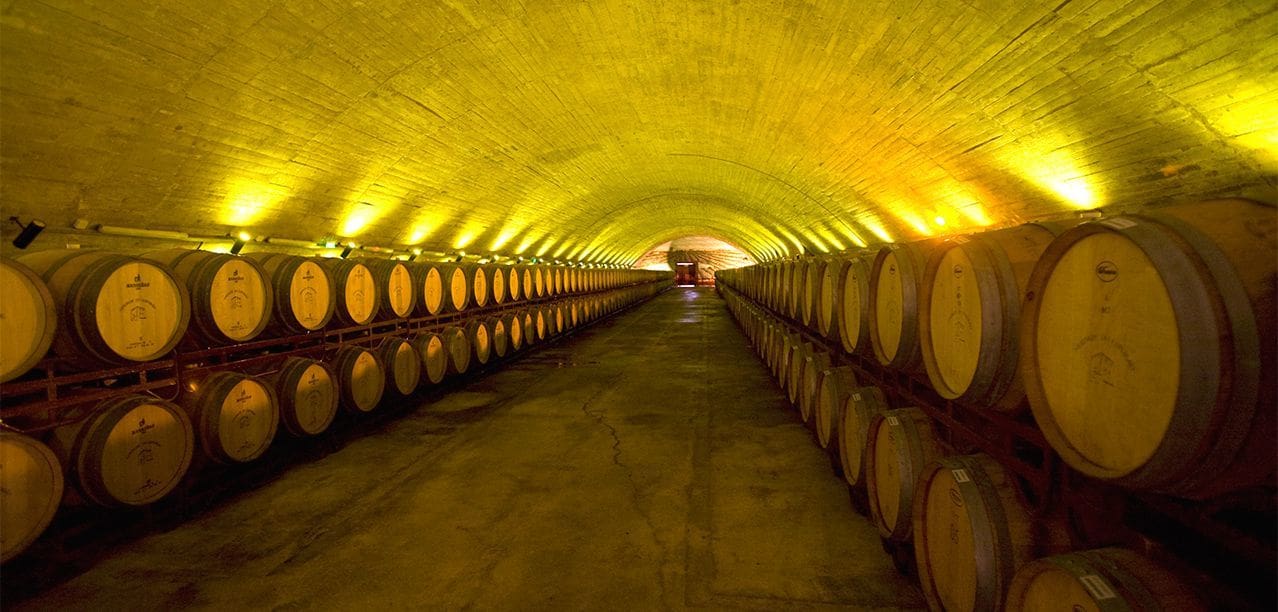
Alentejo wine and food are major reasons to spend several days in the region rather than treating it simply as a sightseeing excursion from Lisbon. Vineyards spread across sunny plains and gentle hills, with producers ranging from contemporary estates to long-established family properties.
Reguengos de Monsaraz works particularly well for combining winery visits with Monsaraz and Alqueva. Farther north, Borba, Estremoz and Vila Viçosa form another appealing route through wine country, marble towns, palaces and historic estates.
Two well-chosen winery visits are usually more rewarding than racing between several producers. A tasting becomes more memorable when it includes time in the vineyards, an explanation of local varieties, or lunch featuring Alentejo ingredients.
If wine is an important part of your trip, reserve visits in advance. Smaller estates may not accept walk-in guests every day, and arranging transportation means everyone can enjoy the tastings without worrying about driving afterward.
Head North to Marvão, Elvas and the Border Towns
Northern Alentejo feels more rugged than the plains around Évora. Marvão, perched high in the Serra de São Mamede near Spain, is one of Portugal’s most atmospheric fortified villages. Its castle walls offer sweeping views across the surrounding mountains and border country.
Nearby Castelo de Vide adds whitewashed streets and historic architecture, while Elvas is known for its remarkable system of defensive walls and forts. Estremoz and Vila Viçosa introduce another side of the region through marble architecture, palaces and wine country.
These destinations work best as part of a dedicated northern Alentejo route rather than as a rushed out-and-back excursion from Évora.
Portugal Online’s Driving the Heart of Portugal self-drive itinerary is particularly relevant for travelers interested in this part of the region. The route travels from Lisbon through Évora and Estremoz to an overnight in Marvão before continuing north through Portugal.
The Alentejo Coast Is a Different Kind of Beach Escape
The Alentejo coast is not the Algarve, and that is precisely its appeal. Instead of a continuous line of large resort towns, travelers find broad Atlantic beaches, dunes, cliffs, fishing communities and stretches of protected coastline.
Comporta, closer to Lisbon, has developed a polished but deliberately low-key personality. Rice fields, long sandy beaches, small hotels and stylish restaurants make it particularly attractive to couples looking for a quieter coastal extension. Summer demand can be strong, however, so accommodations should be reserved well ahead.
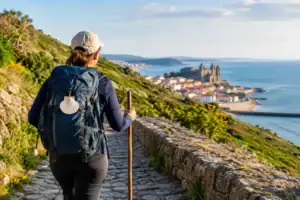
Farther south, Vila Nova de Milfontes, Porto Covo and Zambujeira do Mar offer access to the Costa Vicentina and a more rugged Atlantic environment. This area is particularly appealing for walkers, surfers, photographers and independent travelers who prefer nature to resort infrastructure.
The coast works best as a separate two- or three-night part of an Alentejo itinerary. Do not assume that Évora, Monsaraz and the southwest beaches can all be comfortably explored from one hotel. The map makes the distances appear deceptively easy, while rural roads, scenic stops and the region’s naturally slower pace add time to every journey.
For more ideas, see Portugal Online’s guide to Portugal beaches worth planning around, which includes the Alentejo coast as an alternative for travelers seeking more space and a less developed seaside experience.
What to Eat and Drink in the Alentejo
Alentejo cooking is direct, generous and deeply connected to the agricultural landscape. Bread, olive oil, pork, lamb, herbs, cheese and seasonal vegetables form the foundation of many traditional dishes, while seafood becomes more prominent toward the coast.
Açorda is one of the region’s defining dishes: a bread-based soup traditionally flavored with ingredients such as garlic, cilantro, olive oil and egg. Migas transforms rustic bread into a flavorful accompaniment, often served with pork or other meats.
Porco preto, or black pork, is another important regional specialty. Local sheep’s milk cheeses, including those associated with Serpa and Évora, are also worth seeking out, particularly as part of a winery lunch or tasting.
Traditional Alentejo cooking can be meat-heavy, although larger towns and contemporary restaurants increasingly offer more varied choices. If you have dietary restrictions, communicate them before a planned winery lunch, private tour or rural dining experience.
Lunch often begins later and lasts longer than many American visitors expect. When the setting is right, embrace it. A long meal at a country restaurant or wine estate is not time taken away from sightseeing; in the Alentejo, it is part of the sightseeing.
Best Time to Visit the Alentejo
Spring and fall are generally the most comfortable seasons for an Alentejo vacation.
From March through May, wildflowers bring color to the countryside and temperatures are usually pleasant for walking through historic towns, visiting vineyards and exploring castle walls.
September through early November can be equally rewarding. Wine harvest activity adds interest to vineyard areas, days often remain warm, and the softer autumn light suits the region particularly well.
Summer brings long, dry days but can also bring intense inland heat. Évora and eastern Alentejo can become very hot during July and August. Travelers visiting in midsummer should plan sightseeing for the morning, reserve afternoons for slower activities or hotel time, and take advantage of Portugal’s later dinner hours.
The Atlantic coast is generally cooler than the interior, though it can also be windy and the ocean remains considerably cooler than many visitors expect.
Do You Need a Car in the Alentejo?
You can visit central Évora without a car, particularly if arriving by train from Lisbon. Once you want to explore Monsaraz, wineries, Marvão, smaller villages, rural hotels or the coast, however, a car becomes much more useful.
A rental car offers the greatest freedom for an Alentejo road trip. Main roads between towns are generally straightforward, while smaller rural routes make it possible to stop at villages, vineyards and viewpoints on your own schedule.
Portugal Online’s Portugal self-drive vacations are a particularly natural fit for the region because the hotel sequence and rental car can be arranged around a realistic route while leaving travelers free to explore independently.
The 12-day Grand Driving Tour of Portugal, for example, travels from the Algarve into Évora and then continues through Estremoz and Marvão before heading north.
If you request an automatic transmission, reserve it well in advance. Automatic vehicles are available in Portugal but inventory can be more limited than many US travelers are accustomed to.
Within old towns, do not rely blindly on GPS. Historic streets may be extremely narrow, restricted to residents or impractical for larger vehicles. Where possible, choose hotels with confirmed parking and leave the car outside the historic center while you explore on foot.
Prefer Not to Drive? Visit the Alentejo by Train, Tour or Private Driver
A rental car is useful, but it is not the only way to experience the Alentejo.
Travelers based in Lisbon can join an organized excursion to Évora and the surrounding countryside. Portugal Online’s Lisbon City Break, for example, includes a full-day Évora and wine excursion while keeping the entire hotel stay in Lisbon.
Those looking for a broader guided itinerary can consider the 3-Day Wonders of Portugal, which includes Évora and an introduction to Alentejo wine and regional culture.
For travelers who prefer more privacy and flexibility, Portugal Online’s private Portugal tours provide transportation and sightseeing without requiring you to navigate or drive. The Private Portugal Pousadas Tour includes Évora and Marvão as part of a longer journey through mainland Portugal.
A Well-Paced Alentejo Itinerary
How many days you need in the Alentejo depends on how deeply you want to explore it.
With three nights: spend two nights in Évora, use one full day for the historic city, and devote another day to Monsaraz and wine country before continuing your Portugal vacation.
With five nights: add time around Monsaraz and Alqueva or continue north toward Estremoz, Vila Viçosa, Elvas and Marvão. This gives you enough time to enjoy wineries and smaller towns without driving long distances every day.
With one week: combine Évora and central Alentejo with either northern Alentejo or the Atlantic coast. Trying to include both extremes in less time can make a region known for slow travel feel unnecessarily rushed.
The right route ultimately depends on what interests you most. History-focused travelers may prioritize Évora, Elvas and Marvão. Food and wine travelers may prefer longer stays around Reguengos, Estremoz or Borba. Couples may enjoy pairing a vineyard hotel with several nights on the coast, while families or groups may prefer private transportation that removes the need to coordinate tasting appointments, parking and driving.
Alentejo Travel Guide: Frequently Asked Questions
How many days do you need in the Alentejo?
Three nights provides a good introduction centered on Évora and nearby wine country. Five nights allows you to add Monsaraz, Alqueva, Estremoz or northern Alentejo. With seven nights, you can comfortably combine historic towns, wine country and either the Alentejo coast or the northern border region.
Is Évora worth staying overnight?
Yes. Évora can be visited as a day trip from Lisbon, but staying overnight gives you quieter evening and morning hours and makes it much easier to add wineries, Monsaraz, megalithic sites or other Alentejo destinations. Portugal Online’s Évora travel guide covers the city’s main sights and recommended trip length in greater detail.
Do you need a rental car in the Alentejo?
You do not need a car to explore central Évora. For a wider regional itinerary involving Monsaraz, Marvão, wineries, countryside hotels and the coast, a rental car is usually the most flexible choice. Private touring is an excellent alternative for travelers who do not want to drive.
What is the best time of year to visit the Alentejo?
Spring and fall offer the best balance for most travelers. March through May brings green countryside and wildflowers, while September and October combine warm weather with wine harvest activity. July and August can be extremely hot inland.
Can you combine the Alentejo with Lisbon and the Algarve?
Yes. The Alentejo sits naturally between Lisbon and the Algarve and works especially well as part of a self-drive vacation. A route can begin in Lisbon, continue through Évora and the Alentejo countryside, and then head south toward the Algarve rather than returning to Lisbon.
Planning an Alentejo Vacation
The Alentejo can be as simple as a day excursion from Lisbon or as immersive as a week-long road trip through vineyards, castles, historic towns and the Atlantic coast.
Travelers who enjoy independence should begin with Portugal Online’s Portugal self-drive vacations. Those who prefer someone else to handle the transportation can compare private guided Portugal tours or escorted Portugal tours.
You can also browse the full collection of Portugal vacation packages to see how the Alentejo can fit naturally with Lisbon, the Algarve, Central Portugal, Porto and the Douro Valley. Portugal Online currently offers guided, private, self-drive and rail-based ways to experience mainland Portugal.
If an existing itinerary does not quite match the trip you have in mind, use the Portugal Vacation Planner. Share your travel dates, preferred pace, hotel level, interests and whether you want to drive or travel privately, and a Portugal specialist can coordinate the accommodations, transportation, sightseeing and experiences into one itinerary.
However you travel, leave some open space in the schedule for the moments the Alentejo does best: a quiet view from castle walls, a lingering lunch, an unexpected winery conversation, or a country road that makes you curious about what lies just beyond the next cork oak grove.