Portugal is one of Europe’s oldest states, but its history began long before the Kingdom of Portugal appeared in the 12th century. The territory was shaped by Celtic and other pre-Roman peoples, Roman rule, Germanic kingdoms, centuries of Islamic government, the medieval Reconquista, maritime expansion, empire, revolution, dictatorship, democracy and European integration.
This timeline highlights major turning points rather than every ruler, battle or political crisis. For deeper context, read Part 1: The Portuguese Empire and Part 2: Religion in Portugal.
Before Portugal: Rome, Islamic Iberia and Portucale
2nd century BCE: Rome expands into the western Iberian Peninsula after prolonged resistance from local peoples, including groups later associated with the Lusitanians.
27 BCE: Under Emperor Augustus, the Roman province of Lusitania is formally organized. Roman roads, cities, law, agriculture and Latin leave a lasting imprint on the territory.
5th century: Roman authority collapses in Iberia. The Suebi establish a kingdom in the northwest, followed later by Visigothic domination.
711: Muslim armies cross from North Africa and rapidly conquer most of the Iberian Peninsula. Much of present-day Portugal becomes part of al-Andalus.
868: Christian forces establish a County of Portucale around Porto during the southward expansion of the Kingdom of Asturias-León.
1096: Henry of Burgundy receives the County of Portugal through his marriage to Teresa, daughter of Alfonso VI of León and Castile.
1128: Afonso Henriques defeats forces loyal to his mother Teresa at the Battle of São Mamede and becomes the dominant ruler of the county.
The Kingdom of Portugal
1139: After the Battle of Ourique, Afonso Henriques presents himself as King of Portugal.
1143: The Treaty of Zamora helps establish Portugal’s political independence under Afonso Henriques.
1179: Pope Alexander III issues Manifestis Probatum, formally recognizing Afonso Henriques as king and Portugal as a kingdom.
1249: Portuguese forces complete the conquest of the Algarve. The Portuguese phase of the Reconquista is effectively complete.
1255: Lisbon becomes the principal royal and administrative center of the kingdom and develops as Portugal’s capital.
1297: Portugal and Castile sign the Treaty of Alcañices, helping define a frontier that is among the oldest stable international borders in Europe.
Dynastic Crisis and the House of Avis
1383–1385: A succession crisis threatens Portuguese independence after the death of King Fernando I.
1385: João I is proclaimed king. Portuguese forces defeat a larger Castilian army at the Battle of Aljubarrota, securing the new Avis dynasty and Portuguese independence.
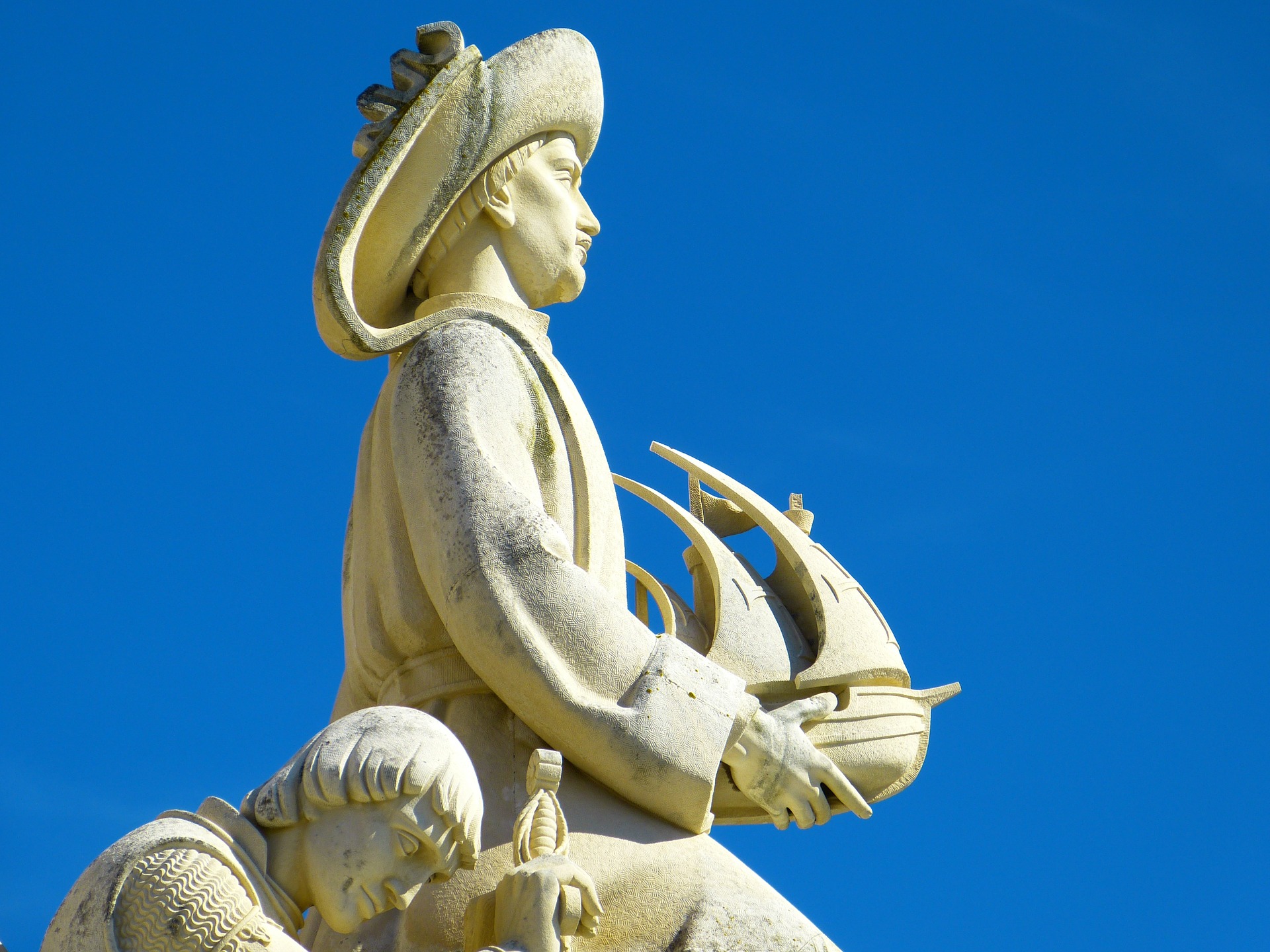
Henry the Navigator on the Monument of Discoveries, Lisbon.
Portugal and the Age of Expansion
1394: Prince Henry, later known as Henry the Navigator, is born.
1415: Portugal conquers Ceuta in North Africa, conventionally marking the beginning of Portuguese overseas expansion.
1418–1419: Portuguese navigators reach Madeira. Permanent settlement begins soon afterward.
1420s: Portuguese navigators reach the Azores; organized settlement develops during the following decades.
1434: Gil Eanes rounds Cape Bojador, an important milestone in Portuguese exploration of the West African coast.
1460: Prince Henry the Navigator dies.
1488: Bartolomeu Dias rounds the Cape of Good Hope, demonstrating a sea passage from the Atlantic into the Indian Ocean.
1494: Portugal and Castile sign the Treaty of Tordesillas, establishing a line dividing their spheres of overseas expansion.
1498: Vasco da Gama reaches India after sailing around Africa, opening a direct maritime route between Portugal and the Indian Ocean trading world.
1500: Pedro Álvares Cabral reaches the coast of Brazil and claims it for Portugal.
Rise of the Portuguese Empire
1506: The Lisbon Massacre kills large numbers of New Christians, descendants of Jews who had been forced to convert.
1510: Afonso de Albuquerque captures Goa, which becomes the principal administrative center of Portuguese power in Asia.
1511: Portuguese forces capture Malacca, a major Southeast Asian trading port.
1513: Jorge Álvares reaches the coast of China, becoming one of the earliest recorded Portuguese visitors by sea.
1536: The Portuguese Inquisition is formally established.
1557: A permanent Portuguese settlement is established at Macau under arrangements with Chinese authorities.
1572: Luís de Camões publishes Os Lusíadas (The Lusiads), the great Portuguese epic centered on Vasco da Gama’s voyage.
1578: King Sebastião dies during the disastrous Battle of Alcácer Quibir in Morocco, creating a dynastic crisis.
The Iberian Union and Restoration
1580: Philip II of Spain becomes Philip I of Portugal. Portugal and Spain share a monarch during the Iberian Union, although Portugal retains separate laws and institutions.
1640: The Portuguese Restoration Revolution places João IV of the House of Braganza on the throne and begins the war to restore full independence.
1668: Spain formally recognizes Portuguese independence in the Treaty of Lisbon.
1690s: Major gold discoveries in Brazil transform the Atlantic economy and increase Brazil’s importance to the Portuguese monarchy.
Pombal, the Lisbon Earthquake and Reform
1750: Sebastião José de Carvalho e Melo, later the Marquis of Pombal, becomes the dominant minister under King José I.
1755: A catastrophic earthquake, tsunami and fires devastate Lisbon on November 1. Pombal directs emergency measures and reconstruction. The rebuilding of the Baixa becomes one of Europe’s major Enlightenment-era urban projects.
1759: The Jesuits are expelled from Portugal and its empire as Pombal centralizes royal authority.
1777: King José I dies. Queen Maria I removes Pombal from power.
French Invasions, Brazil and Liberal Revolution
1807: French forces invade Portugal after the Portuguese government resists Napoleon’s Continental System. The royal court departs for Brazil under British naval protection.
1808: The Portuguese court arrives in Rio de Janeiro. The Peninsular War begins in Portugal and Spain.
1815: Brazil is elevated within the United Kingdom of Portugal, Brazil and the Algarves, with the monarchy based in Rio de Janeiro.
1820: The Liberal Revolution begins in Porto, demanding a constitution and the return of the royal court.
1821: King João VI returns to Portugal. The Portuguese Inquisition is abolished.
1822: Portugal adopts its first constitution. Pedro declares Brazil independent and becomes Emperor Pedro I of Brazil.
1825: Portugal formally recognizes Brazilian independence.
1828–1834: The Liberal Wars pit supporters of constitutional monarchy against absolutist forces supporting Miguel.
1834: The liberals win the civil war. Male religious orders are dissolved and large amounts of church property are nationalized.
The Late Monarchy and the Road to Republic
1890: Britain issues an ultimatum demanding that Portugal withdraw from disputed areas between Angola and Mozambique. The crisis fuels nationalist anger and damages the monarchy’s prestige.
1908: King Carlos I and Crown Prince Luís Filipe are assassinated in Lisbon.
1910: The Republican Revolution overthrows the monarchy on October 5. Portugal becomes a republic.
The First Republic, Fátima and Military Dictatorship
1911: The First Republic adopts a new constitution and passes the Law of Separation of Church and State.
1916: Portugal enters the First World War on the Allied side after Germany declares war.
1917: Three shepherd children near Fátima report a series of Marian apparitions. The events later make Fátima one of the world’s major Catholic pilgrimage destinations.
1926: The military coup of May 28 ends the unstable First Republic and establishes a military dictatorship.
Salazar and the Estado Novo
1928: António de Oliveira Salazar becomes finance minister and gains increasing influence over national policy.
1932: Salazar becomes prime minister.
1933: A new constitution establishes the authoritarian Estado Novo. Political parties are restricted, censorship expands and the political police becomes a central instrument of the regime.
1939–1945: Portugal remains officially neutral during the Second World War, while maintaining the long-standing Anglo-Portuguese alliance and permitting the Allies to use bases in the Azores from 1943.
1940: Portugal and the Holy See sign a Concordat regulating the legal position of the Catholic Church.
1949: Portugal becomes a founding member of NATO.
1955: Portugal joins the United Nations.
1961: The Portuguese Colonial War begins in Angola and later spreads to Guinea-Bissau and Mozambique. In the same year, Indian forces take Goa, Daman and Diu.
1968: Salazar becomes incapacitated after a cerebral hemorrhage. President Américo Tomás appoints Marcelo Caetano as prime minister.
1970: Salazar dies.
The Carnation Revolution and Democracy
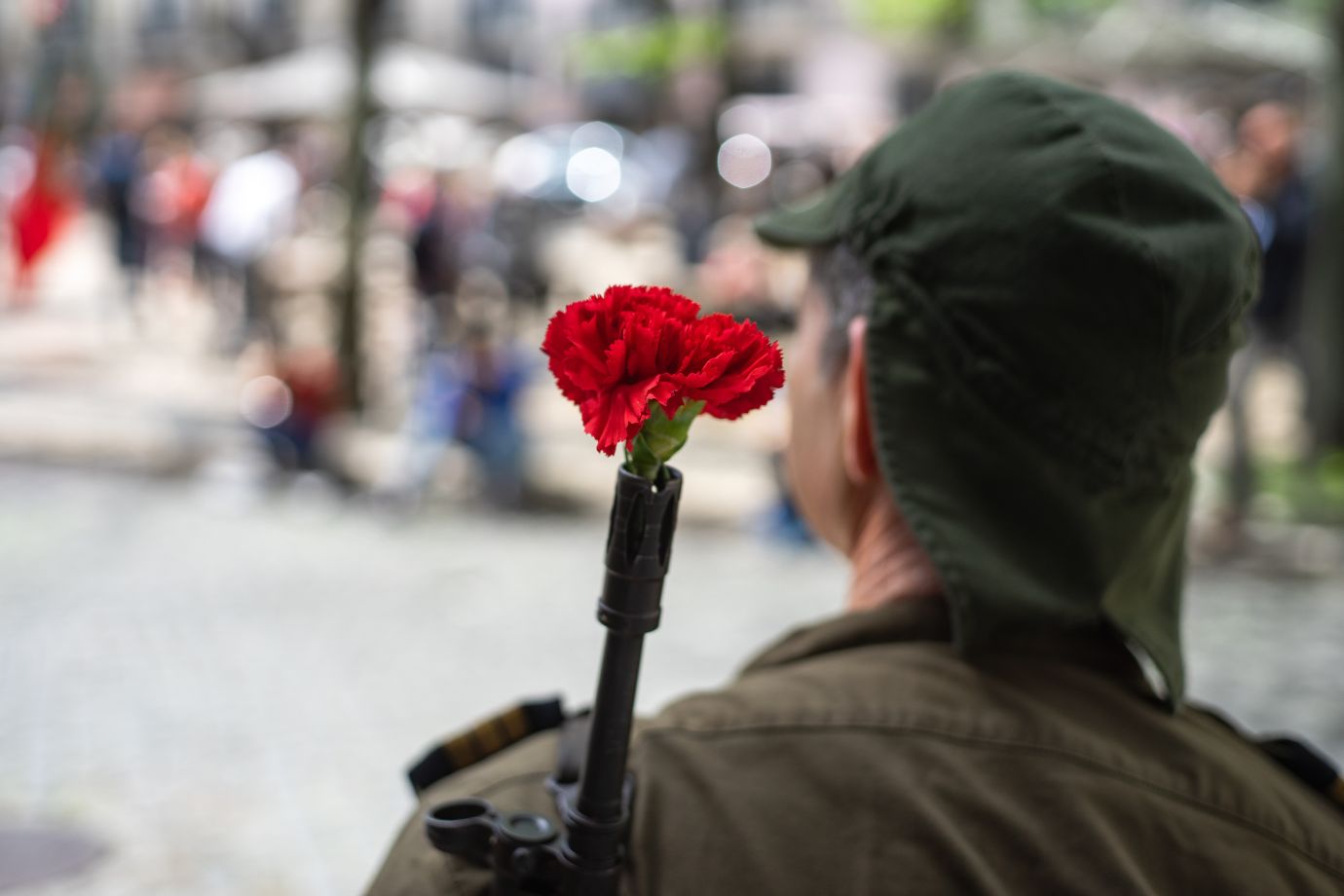
Carnation Revolution.
April 25, 1974: The Armed Forces Movement overthrows the Estado Novo in the Carnation Revolution. The coup meets little resistance and develops into a broad democratic revolution.
1974–1975: Portugal moves rapidly toward decolonization. Guinea-Bissau’s independence is recognized, while Angola, Mozambique, Cape Verde and São Tomé and Príncipe become independent in 1975.
1975: Portugal experiences intense political and social conflict during the revolutionary period known as the PREC (Ongoing Revolutionary Process).
1976: A democratic constitution comes into force, and Portugal holds parliamentary and presidential elections under the new constitutional system.
Portugal in Europe
1977: Portugal formally applies to join the European Economic Community.
1985: Portugal signs the Treaty of Accession to the European Communities at Lisbon’s Jerónimos Monastery.
January 1, 1986: Portugal and Spain join the European Communities. European integration becomes one of the defining forces in Portugal’s modernization after dictatorship.
1995: Portugal joins the Schengen Area.
1998: Lisbon hosts Expo ’98, a world’s fair centered on the theme “The Oceans, a Heritage for the Future.” The event transforms the eastern waterfront and creates what is now Parque das Nações.
1999: Portugal becomes a founding participant in the euro area. On December 20, administration of Macau is transferred from Portugal to China.
2002: Euro banknotes and coins enter circulation in Portugal, replacing the escudo in everyday cash transactions. Timor-Leste becomes independent after a United Nations-administered transition.
Portugal in the 21st Century
2004: Former Portuguese prime minister José Manuel Durão Barroso becomes President of the European Commission.
2007: European leaders sign the Treaty of Lisbon in the Portuguese capital. The treaty enters into force in 2009 and reforms the institutions of the European Union.
2011: Portugal requests an international financial assistance program during the euro-area sovereign debt crisis. The country exits the program in 2014.
2023: Lisbon hosts World Youth Day, bringing Pope Francis and a large international gathering of young Catholics to Portugal.
2026: Portugal marks 40 years of membership in the European Union, four decades after joining the European Communities on January 1, 1986.
How the Three-Part History Series Fits Together
This timeline provides the chronological framework. Part 1: The Portuguese Empire goes deeper into maritime expansion, Brazil, Africa, Asia, slavery and decolonization. Part 2: Religion in Portugal follows Christianity, Jewish and Muslim communities, the Inquisition, Fátima, the Estado Novo and modern religious freedom.
For a broader thematic overview beyond the series, visit our History of Portugal guide.