
Portugal’s wine country is not one destination with a few tasting rooms. It is a sequence of remarkably different landscapes: historic Port lodges across from Porto, terraced vineyards climbing the Douro Valley, wide Alentejo plains, and limestone hills around Lisbon. A well-paced Portugal wine regions itinerary gives each one time to make an impression – without turning a vacation into a race between wineries.
For most US travelers, the best approach is a 10-day journey beginning in Lisbon and ending in Porto. It combines two essential cities with the country’s most rewarding wine landscapes, using a rental car where it adds value and guided tastings where local knowledge makes the experience more meaningful.
Portugal Wine Regions Itinerary: The Best 10-Day Route
Days 1-3: Lisbon, Setúbal, and the Lisbon wine country
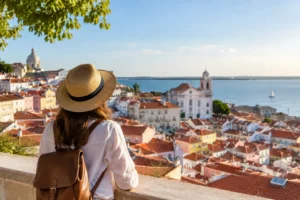
Begin with three nights in Lisbon. After an overnight flight, the city’s hills, viewpoints, tile-lined streets, and relaxed café culture provide a gentler start than heading directly into the countryside. Use your first full day for Lisbon’s classic neighborhoods, from Belém to Alfama, with a dinner that introduces Portugal’s range of seafood, cheeses, and regional wines.
On day two, take a guided wine-focused day trip or private excursion south of the Tagus River to Setúbal and the Arrábida area. This is an excellent introduction to Portuguese wine because the journey is short, the scenery is dramatic, and the wines are distinctive. Moscatel de Setúbal, a fragrant fortified wine, is the regional specialty, while nearby producers also make fresh whites and polished reds.
The following day can be kept flexible. Travelers who want another tasting may head west to Colares, where vineyards grow in sandy soils near the Atlantic, or to the rolling Bucelas area north of Lisbon, known for crisp Arinto-based whites. Those more interested in culture may prefer Sintra, with its palaces and forested hills. This is one of the itinerary’s useful trade-offs: wine enthusiasts can add a second regional visit, while first-time visitors often appreciate leaving room for Lisbon and Sintra.
Days 4-5: Alentejo’s vineyards and historic towns
Collect a rental car and drive east to Alentejo, allowing roughly two hours from Lisbon to Évora. The route quickly shifts from urban energy to cork oak groves, olive trees, and open farmland. Évora is an ideal base, not only for its excellent restaurants and Roman-era monuments but also for access to several respected estates.
Alentejo is often the easiest wine region for American visitors to understand and enjoy. Its reds tend to be generous, fruit-forward, and approachable, though leading producers increasingly make elegant, structured wines with real aging potential. Indigenous grapes such as Alicante Bouschet, Aragonez, Trincadeira, and Antão Vaz play a major role, often alongside familiar varieties.
Spend one day visiting two wineries rather than trying to fit in four. A morning tour can explain vineyard practices, cork production, or barrel aging, followed by a long lunch at an estate restaurant or in Évora. In the afternoon, choose a contrasting experience: a larger, architecturally striking property with a broad tasting program, or a smaller family-run producer where the visit feels more personal.
Overnighting in Évora keeps the logistics simple. For travelers who prefer a rural retreat, a vineyard hotel or country estate outside town can be a memorable alternative. The choice depends on priorities: stay in town for walkable restaurants and history, or stay among the vines for quiet, views, and a slower evening.
Day 6: Travel north through central Portugal
The drive from Alentejo to the Douro Valley is too long to treat as a casual transfer, so break it up thoughtfully. One option is to stop in Coimbra, Portugal’s historic university city, for lunch and a walk through its old center before continuing north. Another is to overnight in Porto, especially for travelers who prefer to return the rental car before entering the Douro.
This is also the point where a customized itinerary becomes particularly helpful. Road conditions are generally good, but arrival times can be affected by the pace of winery visits, city parking, and the winding roads that lead into the Douro Valley. A carefully timed route protects the relaxing part of the trip: arriving at your hotel before dark, with time for a proper dinner and a glass of local wine.
Days 7-8: The Douro Valley
The Douro is Portugal’s most iconic wine landscape. Vineyards are carved into steep, hand-built terraces above a river that winds through the valley toward Spain. It is also a working region, not simply a scenic backdrop, and its wines demand more attention than many visitors expect.
Port is the famous name, produced from a blend of traditional grape varieties and fortified with grape spirit. Yet the Douro also produces outstanding dry reds, aromatic whites, rosés, and increasingly compelling sparkling wines. Plan at least two nights here, ideally in or near Pinhão, where river views and access to leading quintas make the experience especially convenient.
On your first day, take a private driver or guided tour for winery visits. The roads are narrow, winding, and beautiful, but they are not the place to schedule tastings and then drive yourself. A guide can arrange a balanced day with a vineyard walk, cellar visit, and lunch, while explaining why elevation, exposure, schist soils, and old vines matter so much in the glass.
Reserve the second day for the valley itself. A short river cruise from Pinhão offers the perspective that photographs rarely capture: terraces rising sharply from the water, whitewashed estates perched above the vines, and small railway stations decorated with traditional tiles. Add one more tasting, perhaps focused on dry Douro wines, and leave time for your hotel’s terrace or pool. The Douro rewards unhurried travelers.
Finish Your Portugal Wine Regions Itinerary in Porto
Days 9-10: Porto and the Port wine lodges
Continue to Porto for two nights. The city is compact, atmospheric, and entirely different from Lisbon, with granite streets, colorful riverside façades, and a food scene that pairs naturally with regional wines. Stay in the historic center if you want easy access to restaurants and major sights, or in Vila Nova de Gaia if Port lodges and riverfront views are the priority.
Your first Porto afternoon is ideal for a lodge visit in Gaia. While the Douro is where grapes are grown and many wines are made, Port traditionally traveled downriver to age in the cooler cellars across from Porto. A well-chosen tasting explains the differences between ruby, tawny, late bottled vintage, and vintage Port without overwhelming the experience. Ask for a tasting that includes both accessible styles and one older or more complex wine.
On your final full day, explore Porto beyond the cellars. Walk the Ribeira district, cross the Dom Luís I Bridge, browse the Bolhão Market area, and enjoy a leisurely lunch. If your flight schedule allows, arrange a final dinner with a Portuguese wine pairing. Porto is a fitting finish because it brings together the history, trade, and hospitality behind the bottles you have encountered throughout the trip.
When to Go and How to Plan Tastings
Spring, from April through June, and early fall, from September through October, are the best seasons for most wine-focused vacations. Spring brings green vineyards, wildflowers, and milder temperatures. Harvest season is exciting, especially in the Douro and Alentejo, but it is also busy; winery teams may have less flexibility, and the hottest weeks can be demanding for sightseeing.
Book tastings in advance, particularly for small estates, private tours, harvest visits, and winery lunches. English is widely available at established producers, but advance reservations ensure the most informative experience. Limit yourself to one or two serious tastings a day. Portugal’s hospitality is generous, pours can be substantial, and a rushed schedule makes it harder to appreciate either the wine or the place.
A self-drive route works beautifully in Alentejo and around Lisbon, while a private driver is often the wiser choice in the Douro. Rail travelers can reach Porto easily and use organized day trips, though staying overnight in the valley creates a far more complete experience. Your ideal route may also change if you are traveling with family, have limited mobility, or want to include beach time, golf, or the Azores.
Portugal Online can tailor the hotels, transportation, reservations, and guided experiences around the kind of wine trip you actually want to take. Leave room for a long winery lunch, an unplanned village stop, and the bottle you decide to bring home – those are often the moments that make Portugal feel personal.