
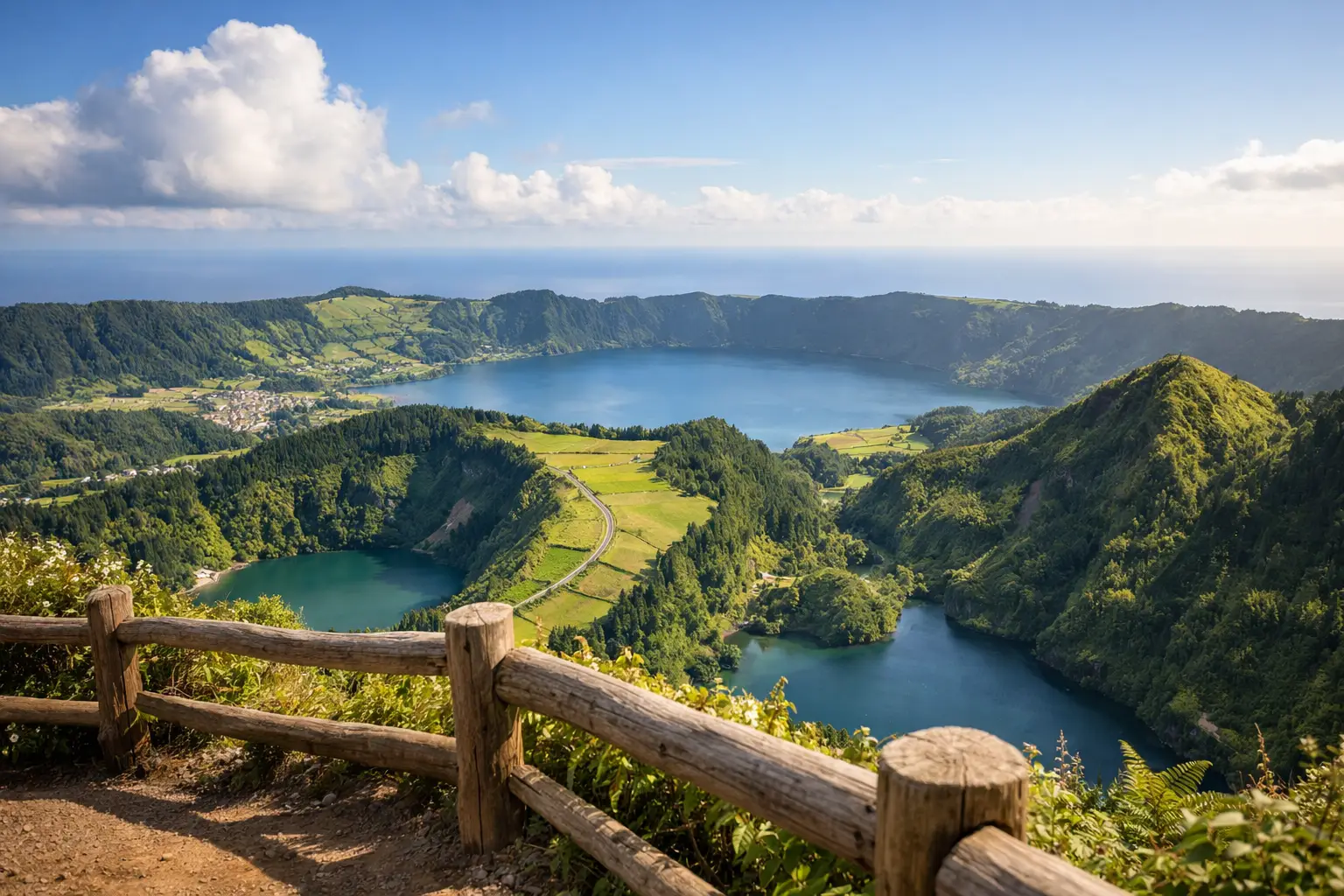
Fog on a crater rim, hydrangeas lining country roads, thermal pools steaming in cool air – the Azores can feel completely different depending on the month you go. If you are asking when should you visit the Azores, the honest answer is that it depends on what kind of trip you want. Weather, island-to-island logistics, outdoor activities, and even the overall pace of your vacation shift noticeably through the year.
For most US travelers, the best time to visit the Azores is late spring through early fall, especially May to October. That window usually offers the easiest balance of mild temperatures, greener landscapes, better touring conditions, and broader flight and hotel availability. But that does not make every month equal. Some travelers want whale watching and hiking. Others care more about warmest swimming conditions, lower crowds, or dramatic scenery without peak-season pricing.
When should you visit the Azores for the best overall trip?
If you want the most reliable all-around experience, aim for June or September. These two months often strike the best balance between pleasant weather, good touring conditions, manageable visitor numbers, and access to the islands’ signature experiences.
June is especially appealing if you want lush scenery, blooming flowers, and comfortable temperatures for sightseeing. The islands feel alive and fresh, and long daylight hours make it easier to fit in viewpoints, hikes, volcanic landscapes, and town visits without rushing. September, on the other hand, brings warm sea temperatures, a settled late-summer feel, and slightly fewer crowds after the main vacation period.
July and August are also strong choices, particularly for travelers who want the warmest conditions of the year. These months are popular for good reason, but they come with trade-offs. Prices can be higher, accommodations may book earlier, and some of the most popular islands – especially Sao Miguel, Pico, and Terceira – feel busier.
The Azores by season
Spring in the Azores – March to May
Spring is one of the most attractive times to visit if you value scenery and comfortable exploration. The islands are exceptionally green, flowers begin to appear in force, and daytime temperatures are mild rather than hot. This is a very good season for scenic drives, thermal bathing, walking tours, and photography.
April and May are particularly rewarding. Rain is still possible – and in the Azores, possible really means likely at some point – but showers often move through quickly. You may get shifting weather in the same day, especially at higher elevations. That is part of the Azores experience rather than a sign something has gone wrong.
For travelers who do not need beach weather, spring can be one of the smartest choices. It is easier to enjoy Furnas, Sete Cidades, Lagoa do Fogo, and the islands’ coastal viewpoints when temperatures are cool enough for active days. Spring also tends to feel less pressured than peak summer.
Summer in the Azores – June to August
Summer is the most popular season and the easiest sell for first-time visitors. Temperatures are pleasantly warm, the islands are at their most accessible, and conditions are favorable for a wide range of activities. If you are planning an island-hopping vacation or want a mix of nature, towns, light adventure, and coastal time, summer gives you flexibility.
June often feels like the sweet spot. It combines much of summer’s accessibility with more breathing room before the busiest period. July and August bring the highest demand, especially among European vacationers and diaspora travelers returning for festivals and family visits.
This is also the best period if swimming matters to you. The Atlantic here is never tropical, but ocean conditions are generally at their most inviting in late summer. Natural pools, marina swimming areas, and boat excursions are more appealing in August and early September than they are in April.
The trade-off is simple: more demand means less spontaneity. If you want a smooth, well-paced itinerary with preferred hotels, rental cars, ferries, and inter-island flights, summer rewards travelers who book early.
Fall in the Azores – September to November
Early fall is one of the region’s best-kept timing advantages. September is excellent for travelers who want a summer feel without the highest-season rush. Sea temperatures remain relatively warm, landscapes are still beautiful, and touring conditions are strong.
October can also work very well, especially for couples and mature travelers who prefer a calmer pace. You may see more mixed weather, but you can still have excellent sightseeing days. The biggest question is not whether the Azores are worth visiting in fall – they are – but whether you are comfortable with more variability.
By November, the islands become a better fit for travelers who are flexible and more interested in atmosphere than a packed outdoor agenda. You can still enjoy the volcanic scenery, food, culture, and hot springs, but weather interruptions are more likely.
Winter in the Azores – December to February
Winter is the least predictable season, but not necessarily a bad one. The Azores stay greener and milder than many mainland European destinations in winter, which can be appealing for travelers looking to escape a colder US climate. You will not get classic beach weather, but you can get dramatic skies, peaceful towns, and restorative thermal experiences.
This season suits a slower itinerary best. Think scenic drives, local cuisine, museum stops, village wandering, and soaking in geothermal pools when the air is cool. It is less ideal for travelers whose priority is extensive hiking, frequent boat trips, or tightly scheduled island hopping.
The practical issue in winter is not just rain. It is the knock-on effect of weather on transport and outdoor plans. If your vacation has to run on a precise schedule, winter may feel limiting.
Best time for specific Azores experiences
For hiking and scenery
Late spring through early fall is best, with May, June, and September standing out. Trails are more enjoyable when temperatures are moderate, and visibility is often better than in stormier winter periods. Even then, mountain weather can change fast, so flexibility remains important.
For whale watching
The Azores are one of the Atlantic’s great whale-watching destinations, and spring is especially strong. April through June is often considered the prime period for many whale species, though tours operate across a broader season. If this is a headline experience for you, spring deserves serious consideration.
For hydrangeas and flowers
If those postcard scenes matter, plan for late spring into summer. Hydrangeas usually peak around June and July, though timing varies by island, elevation, and seasonal conditions. Flores, Faial, and Sao Miguel are particularly memorable when the roadsides are in bloom.
For swimming and coastal relaxation
August and September are your best bet. Water temperatures are at their warmest, and the rhythm of the islands feels more summer-oriented. If you are picturing natural lava pools, seaside sun, and boat days, late summer makes the most sense.
For fewer crowds
May, June, and September offer the best compromise. You still get strong touring conditions without the fuller feel of July and August. For many travelers, that is the real sweet spot.
What US travelers should keep in mind
The Azores are not a destination where you plan around heat alone. They are a nature-driven Atlantic archipelago, and that means microclimates, quick weather changes, and practical logistics matter. One sunny coastal town does not guarantee clear crater views an hour later.
That is why the best timing is also about trip design. If you want to combine Sao Miguel with Pico, Faial, or Terceira, season affects transport availability and ease. If you prefer a single-island stay with guided touring and built-in flexibility, a broader range of months can work well.
For many US travelers, the smartest approach is not to chase a perfect-weather promise, because no honest Azores specialist would make one. It is to choose the season that best matches your priorities and then build an itinerary with room to adapt. That is often where expert planning adds real value, especially for multi-island trips where flights, hotels, car rentals, and touring need to work together smoothly.
So, when should you visit the Azores?
If you want the clearest recommendation, choose June or September. They offer the strongest overall balance for most travelers: pleasant temperatures, beautiful landscapes, solid touring conditions, and fewer pressure points than peak summer.
If whale watching and spring scenery are your priority, lean into April through June. If you want the warmest swimming conditions and a more classic summer vacation feel, look at July through September. And if your ideal trip is quieter, slower, and built around scenery, food, and hot springs, shoulder season can be a very satisfying choice.
The right month is the one that fits how you want to experience the islands – not just what the forecast says on paper. Plan around your style of travel, give the weather some grace, and the Azores tend to reward you generously.