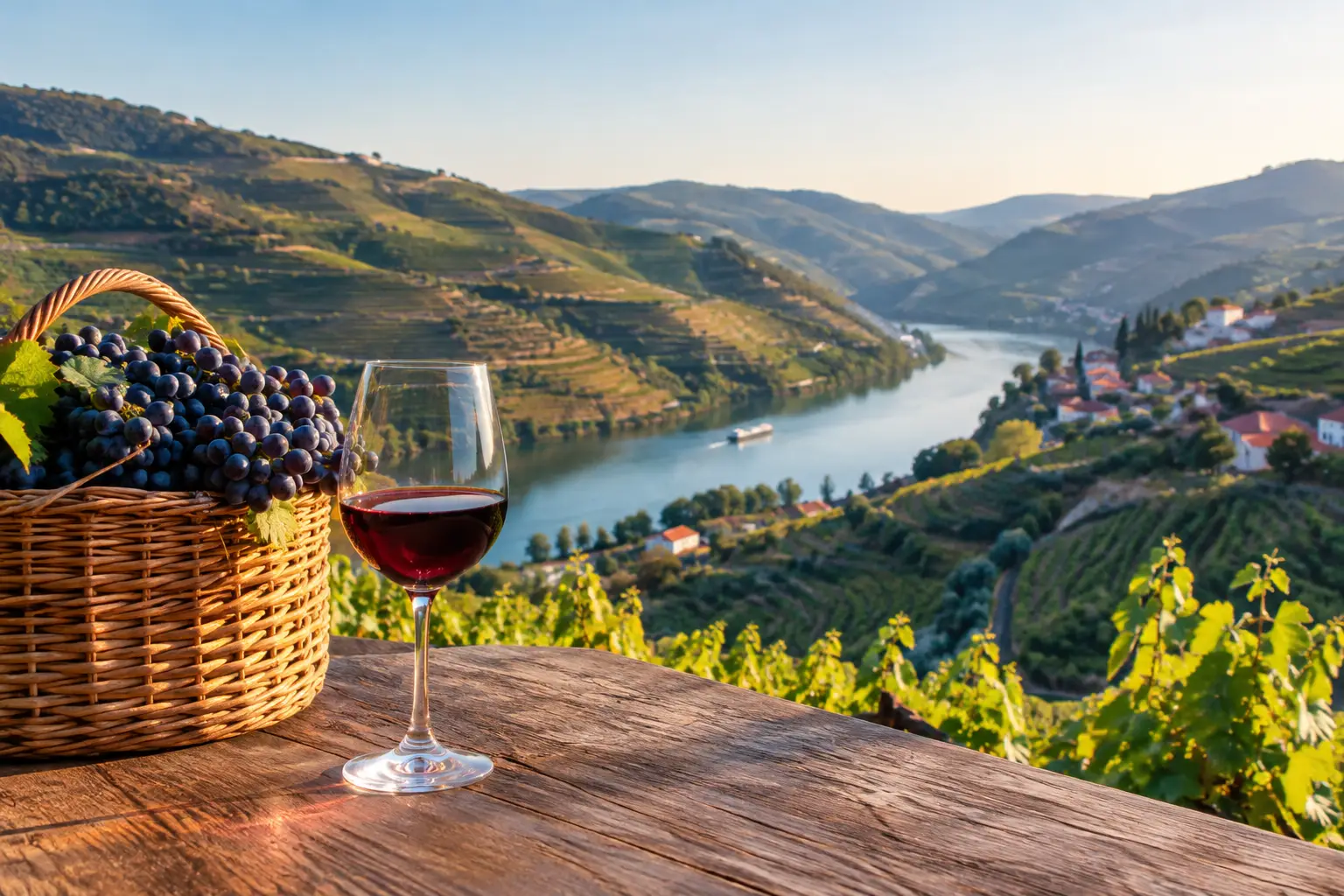
The Douro during harvest is not a wine-country backdrop switched on for visitors. It is a working landscape. Trucks move between vineyards and wineries, picking crews start early to avoid the afternoon heat, and the scent of crushed grapes hangs in the air near the quintas. A well-planned Douro harvest itinerary lets you experience that energy while still enjoying the region’s river views, remarkable food, and unhurried hospitality.
For most travelers, the sweet spot is six or seven nights in Portugal, combining Porto with two or three nights in the Douro Valley. Harvest travel rewards thoughtful timing and advance reservations. It can also involve a few trade-offs: the most atmospheric weeks are among the busiest, and winery activities are shaped by the vintage rather than a fixed tourist schedule.
If you would rather have the main logistics arranged before you travel, Portugal Online offers several ways to experience Porto and the Douro, from Porto vacations with a Douro Valley excursion to private Portugal wine and culture tours and dedicated Douro River cruises.
When to Plan Your Douro Harvest Itinerary
The Douro grape harvest, known locally as the vindima, generally runs from late August through September and can extend into early October. Exact dates vary every year. Heat, rainfall, altitude, grape variety, and each estate’s winemaking decisions determine when picking begins.
Early September often brings some of the most active vineyard scenes, while mid-to-late September can offer a fuller calendar of grape receiving, crushing, and winery activity. October may be quieter and cooler, with autumn color beginning to soften the valley slopes, but some harvesting may already be complete.
If participating in a harvest-related activity is a priority, avoid building the entire vacation around one promised event on one specific date. The vintage follows the grapes, not the tourism calendar. Give your itinerary some flexibility and confirm winery experiences closer to your travel dates.
For travelers arriving from the United States, Porto makes a natural starting point. The city offers time to recover from an overnight flight, enjoy a first Portuguese meal, and understand the history behind the Port wines produced upriver. Afterward, continue east into the Douro, where vineyards, quintas, small towns and the river become the focus of the trip.
A Seven-Day Harvest Journey from Porto to the Douro
Days 1 and 2: Porto, Port Cellars, and a Gentle Start
Begin with two nights in Porto. Stay near the historic center or along the riverfront for convenient access to the city’s tiled churches, viewpoints, bridges, restaurants and historic neighborhoods. A guided walk is particularly worthwhile for first-time visitors because Porto’s steep streets and layered history are easier to appreciate with local context.
If you prefer to have your accommodations and sightseeing organized in advance, the 8-day Porto City Break combines a Porto stay with sightseeing, food experiences, a Douro River cruise and a full-day excursion into the Douro Valley. It is a convenient option for travelers who want to use Porto as their base rather than changing hotels frequently.
Set aside one afternoon for a Port wine cellar visit in Vila Nova de Gaia, across the Douro River from central Porto. This is not the same as visiting a Douro wine estate. The Gaia cellars help explain the aging, storage and trading history that made Port famous, while the valley shows where the grapes are grown and where much of the winemaking takes place. Together, the two experiences give the trip greater context.
Travelers arranging their own accommodations can also browse Portugal tours and activities for Porto sightseeing, food and wine experiences, river cruises and Douro Valley excursions.
On your second evening, choose a relaxed dinner rather than packing the schedule. Harvest days in the valley often begin early, and the journey from Porto into the Douro deserves to be treated as part of the vacation rather than merely a transfer.
Day 3: Travel Into the Valley and Settle at a Quinta
The route from Porto to the Douro Valley takes roughly two to three hours by road, depending on where you are staying and how often you stop along the way. A private transfer offers an easy transition. A rental car provides greater independence for travelers comfortable with narrow, winding roads. The rail journey toward Pinhão is particularly scenic once the railway begins following the river, although hotel transfers and luggage logistics are easier when arranged in advance.
For a harvest stay, a vineyard hotel or historic quinta can be an excellent choice. You wake among terraced slopes, remain close to winery appointments, and may see the rhythm of the vintage unfolding around you. Pinhão offers convenient access to river cruises and several nearby estates, while Peso da Régua and the areas around Lamego provide additional cultural stops and useful road connections.
After checking in, keep the first afternoon simple. Enjoy the landscape, perhaps with a glass of local wine or Port, and have dinner at your hotel or a nearby restaurant featuring regional cuisine. Roasted meats, river fish, olive oil, cheeses and seasonal produce pair naturally with the wines of northern Portugal.
Day 4: Vineyard Visit and Harvest Experience
This is the day to arrange your signature winery visit. During harvest, a simple tasting can feel incomplete. Look for an estate experience that includes the vineyard and winery as well as an explanation of what is actually happening during that year’s vintage.
Depending on timing and the estate’s policies, visitors may see harvested grapes arriving at the winery, observe sorting or crushing, taste wine at different stages of production, or join a vineyard walk focused on grape varieties, ripeness and picking decisions.
Some properties occasionally offer grape stomping in traditional granite lagares. It is one of the Douro’s most memorable traditions, but it should never be treated as a guaranteed tourist activity. Availability depends on the winery’s production schedule, operating procedures and the timing of the harvest. A responsible Douro itinerary treats it as a possible bonus rather than the sole reason for traveling.
Allow time for lunch at a quinta when available. This is often when the valley makes its strongest impression: regional food served at an unhurried pace, wines explained in the place where they are produced, and terraces overlooking the Douro far below.
In the afternoon, consider visiting a producer with a different style from your morning stop. Comparing a Port producer with an estate focused on Douro table wines, for example, helps reveal why the region is far more diverse than a single type of wine.
Wine-focused travelers who want the larger Portugal journey organized around these interests may also consider Portugal Online’s 8-day private Lisbon, Porto and Douro Valley culture and wine tour, which combines Portugal’s two major cities with its best-known northern wine region.
Day 5: Pinhão, the River, and a Scenic Back Road
After an active winery day, experience the valley at a slower pace. Begin in Pinhão, where the railway station’s blue-and-white tile panels depict vineyard life and the historic transportation of wine through the region.
A private boat trip or Douro river cruise offers a completely different perspective of the terraces. From the water, the scale of the landscape becomes much easier to appreciate: generations of stone walls, vineyard plots, roads and villages carved into remarkably steep hillsides.
Travelers for whom the river itself is a major part of the attraction can go much farther than a short sightseeing cruise. Portugal Online’s Douro River cruise vacations combine several days of sailing through wine country with historic villages, vineyard scenery and organized sightseeing.
The 8-day Douro Vineyards & Villages river cruise, for example, begins in Porto and travels through the Douro Valley, providing a very different alternative to a hotel-based wine-country itinerary.
In the afternoon, travel one of the valley’s scenic roads with a knowledgeable driver or at your own pace if self-driving. The N222 between Peso da Régua and Pinhão is particularly well known for its views, but smaller hillside roads can be equally rewarding.
They also require patience. Sharp curves, limited shoulders and harvest traffic mean this is not the place to rush between appointments. Stop at one or two viewpoints rather than trying to collect every miradouro on the map. The Douro is more memorable when there is enough time to absorb it.
Day 6: Lamego Culture or a Deeper Wine Day
Your final full day in the region should reflect your interests. Travelers who want a cultural counterpoint can visit Lamego, known for its baroque sanctuary, historic center and connection to sparkling wine production. The long stairway leading to the Sanctuary of Our Lady of Remedies is one of the city’s defining sights, although visitors with mobility concerns can admire it from below or arrange transportation to the upper level.
Wine enthusiasts may prefer another focused tasting day. Consider a smaller producer, an olive oil experience, or a leisurely lunch that provides more time to talk about the region and its wines.
This is also where good planning matters most during harvest. Wineries are working agricultural businesses first. Appointments need to account for production demands, realistic travel times and the fact that some of the most interesting experiences do not operate according to a fixed daily tourism schedule.
Celebrate the final evening with a special dinner at your quinta or in a carefully selected restaurant in the valley. Ask for local dishes and wines that differ from those you tasted earlier in the trip. A thoughtful final meal can transform a series of winery appointments into a much stronger sense of place.
Day 7: Return to Porto or Continue Through Portugal
Return to Porto for your flight home, ideally allowing a final overnight in the city if your international departure is early. A drive from the Douro should never be scheduled tightly against a long-haul flight.
Alternatively, continue through Portugal toward Coimbra, Lisbon, or the Alentejo. The Douro combines especially well with Lisbon for first-time visitors, while pairing the Douro with the Alentejo gives wine enthusiasts an opportunity to experience two very different Portuguese wine regions.
Travelers interested in combining Lisbon, Porto and the Douro with private transportation and sightseeing can compare Portugal Online’s private Portugal tours. For those who prefer independent driving, the 9-day Driving the Heart of Portugal self-drive tour includes Lisbon, Porto, northern Portugal and the Douro region as part of a broader road trip.
Should You Drive, Take a Tour, or Cruise the Douro?
There is no single best way to experience the Douro. The right approach depends on how independently you like to travel, how much wine tasting you plan to do, and whether you want to stay overnight among the vineyards.
A rental car gives you the greatest flexibility and works particularly well for travelers who enjoy scenic roads, small towns and independent exploration. The trade-off is that Douro roads can be steep and winding, and whoever is driving needs to be cautious about alcohol consumption at winery visits.
Private touring or organized excursions remove the concerns of navigation, parking and wine tasting. This can be especially valuable during harvest, when road traffic and winery schedules can be less predictable.
A Douro River cruise is the most relaxed option for travelers who want the landscape itself to be the centerpiece of the trip. Rather than repeatedly driving into and out of the valley, the river becomes your route through it. See the current selection of Douro River cruise itineraries to compare trip lengths and combinations with Lisbon, Porto and other parts of Portugal.
Practical Details That Make Harvest Travel Easier
Pack layers, comfortable closed-toe shoes, sunscreen, and a light rain jacket. Days can be warm, especially on exposed vineyard terraces, while mornings and evenings cool down quickly. Vineyard terrain is uneven, and footwear matters more than travelers often expect.
Reserve accommodations and winery visits well ahead, particularly for September weekends. Harvest is a limited season, and many of the region’s most characterful properties have relatively few rooms.
If you plan to drive, choose a vehicle that you are comfortable handling on narrow mountain roads. If you would rather taste freely and enjoy the scenery without navigating, private transportation or an organized Douro excursion may be more appropriate.
A well-paced Douro stay is also better than trying to visit too many estates. Two substantial winery experiences in one day are generally enough, particularly when one includes lunch. Wine tasting in warm weather after traveling along winding roads can be more tiring than it initially sounds.
Planning a Porto and Douro Wine Vacation
A Douro harvest trip can be as simple as adding a full-day wine excursion to a Porto stay, or as elaborate as spending several nights among the vineyards before continuing through Portugal.
If you want to stay primarily in Porto while exploring the valley on a guided day trip, consider the Porto City Break. Travelers looking for a more immersive premium experience can compare private guided Portugal tours, including itineraries that combine Lisbon, Porto and the Douro.
Independent travelers can explore Portugal Online’s Portugal vacation packages for self-drive, rail, guided, private and river-cruise options. If your accommodations are already arranged and you simply want to add local sightseeing, browse Portugal tours and activities for Porto experiences, Douro Valley wine tours, sightseeing and river excursions.
For a harvest-focused journey that does not fit an existing itinerary, use the Portugal Vacation Planner to share your dates, preferred travel style, hotel category, budget and interests. Portugal Online’s travel specialists can then help design a trip around Porto, the Douro Valley and any other regions you would like to include.
Most importantly, leave room in the schedule for the unexpected. A late-afternoon view from a vineyard terrace, a harvest truck passing along a narrow road, or a conversation about a difficult vintage may become the part of the Douro you remember long after the last bottle is opened.